
Corrective Jaw Surgery: Who Needs It and How It Works
What corrective jaw surgery fixes, why braces usually come first, how surgery is planned, and what recovery looks like.
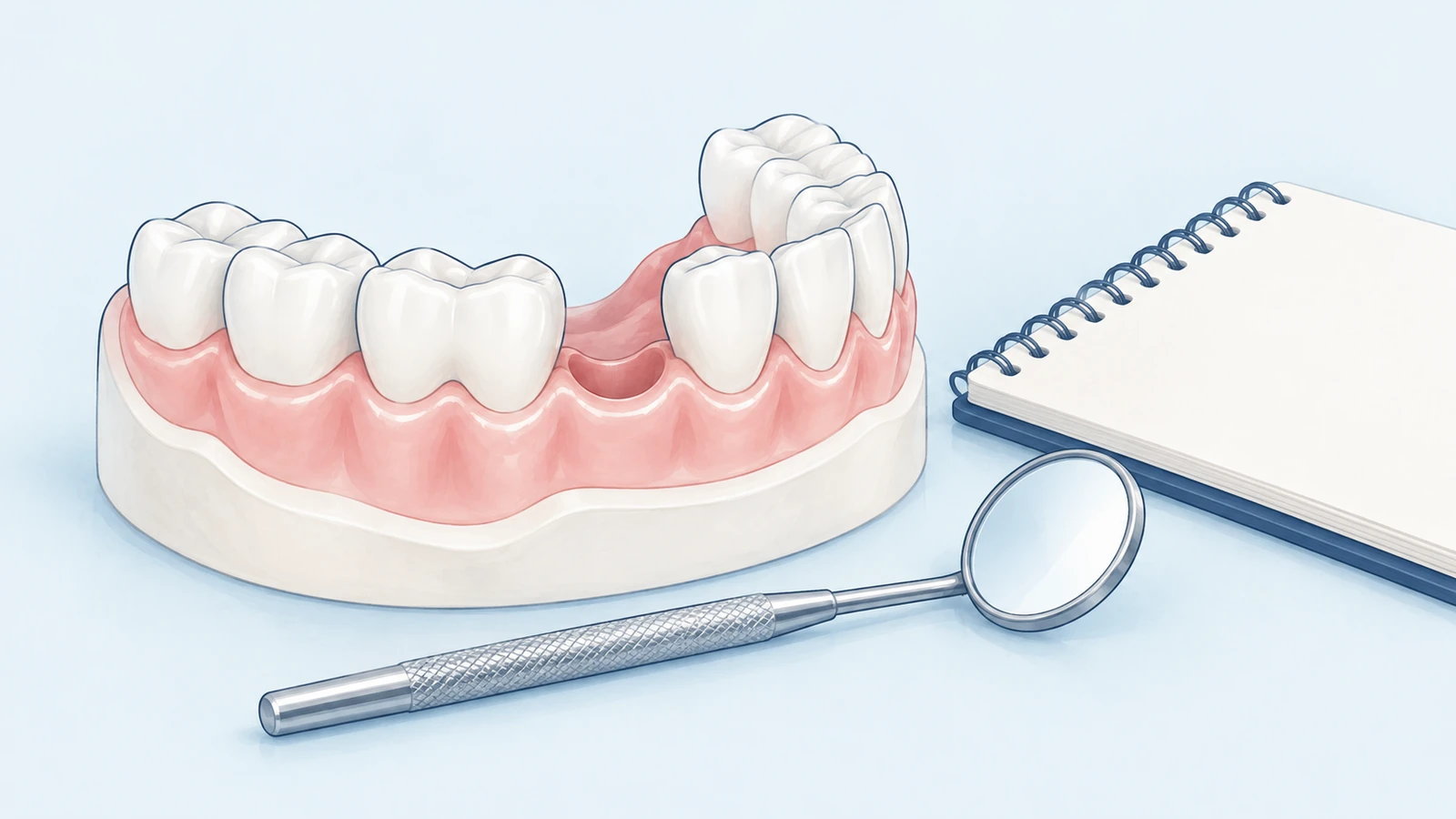
When your upper and lower jaws do not line up, braces alone sometimes cannot fix it. Corrective jaw surgery moves the jaw itself so your teeth, bite, and face line up. Here is who it is for and how the process works.
1. What Jaw Surgery Corrects
The most common reasons are a significant underbite, overbite, or open bite, or a jaw that is noticeably off to one side. These can make it hard to chew, bite into food, or close your lips comfortably. In some patients, moving the jaws forward also helps with breathing during sleep.
For many people, the change in how their face looks is a bonus, but the main goal is a bite that works.
Question to Answer: Does your bite make it hard to chew, bite, or close your lips?
2. Why Braces Usually Come First
Jaw surgery is almost always a team effort with your orthodontist. Braces usually go on months before surgery to line up the teeth on each jaw. After surgery, the orthodontist fine-tunes the bite.
That means the whole process takes a while. Your orthodontist and surgeon will give you a timeline before you start.
Question to Answer: Have you talked with an orthodontist about whether braces alone can fix your bite?
3. How Surgery Is Planned
Planning starts with records: photos, X-rays, a 3D scan, and impressions or digital scans of your teeth. The surgeon and orthodontist use these to plan exactly how far each jaw needs to move. Dr. Chaliff’s interests include digital surgical planning and 3D printing, which help turn that plan into precise guides for surgery.
Question to Answer: Do you know what records you will need for planning?
4. What Surgery Day Looks Like
Jaw surgery is done in a hospital under general anesthesia, and most patients stay at least one night. Dr. Chaliff holds surgical privileges at Northside Hospital. The incisions are usually inside the mouth, so there are typically no visible scars on the face.
Question to Answer: Have you planned for a hospital stay and someone to help you at home?
5. What Recovery Is Like
Swelling peaks in the first few days and goes down over the next couple of weeks. You will be on a liquid or very soft diet for several weeks while the bones heal. Most people return to school or a desk job in about two to three weeks, and full healing takes longer.
Your written instructions will cover diet, cleaning, and activity in detail.
Question to Answer: Do you have a few weeks set aside for recovery?
6. Will Insurance Cover It?
Because jaw surgery usually fixes a functional problem like chewing or breathing, medical insurance often covers part of it when the problem is documented. Coverage varies a lot by plan, so our team will help you check your benefits before you schedule.
Question to Answer: Have you asked your medical insurance about coverage?
In Summary
The main takeaway is that corrective jaw surgery fixes bite problems braces cannot fix alone, and it works best as a planned team effort with your orthodontist. Expect braces before and after, a hospital stay, and a few weeks of recovery. Learn more about corrective jaw surgery with Dr. Chaliff.
Question to Answer: What would you most like to change about how your bite works?


