
Socket Preservation
When a tooth is pulled, graft material can go straight into the empty socket. This helps keep the bone from shrinking while you wait for an implant.

When a tooth is lost, the jawbone under it starts to shrink. Dr. Ryan Chaliff rebuilds that bone in our Dunwoody office so an implant has something solid to hold onto. Our office is in Dunwoody, serving patients throughout Atlanta.
An implant needs enough bone around it to stay stable. After a tooth comes out, the ridge of bone where it sat gets thinner and shorter over time. A graft adds bone back so the implant can go in the right spot.
X-rays, and a 3D scan when needed, show how much bone you have and where it is thin.
We plan the graft around where your dentist wants the final tooth to sit.
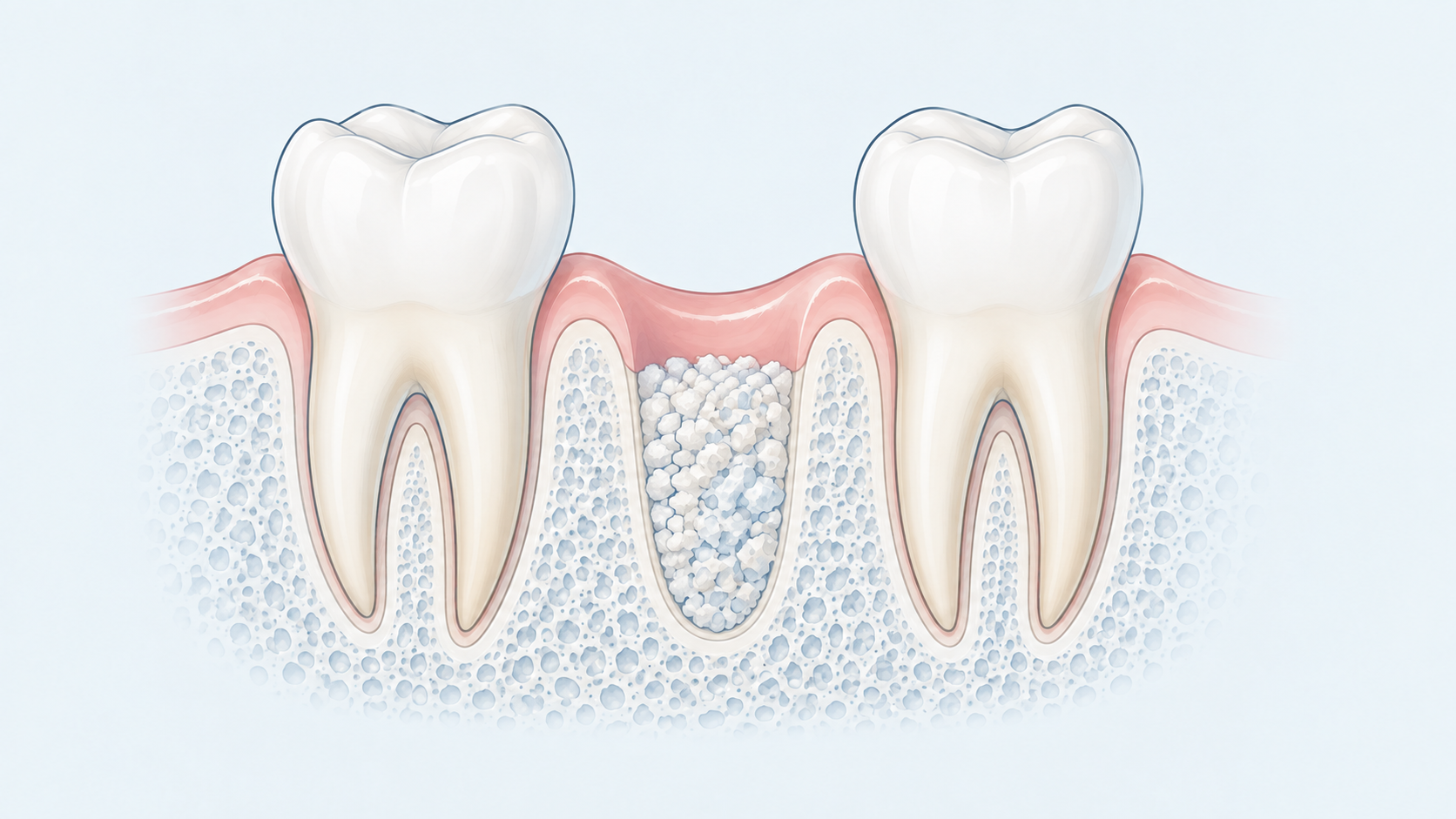
Conceptual example of graft material at an extraction site.
View Larger ↗There are a few common types of grafts. Which one you need depends on where the bone is missing.
When a tooth is pulled, graft material can go straight into the empty socket. This helps keep the bone from shrinking while you wait for an implant.
If the bone ridge has already gotten too thin or too short, a ridge graft builds it back up.
The upper back teeth sit just under the sinus. If there is not enough bone there, a sinus lift adds bone below the sinus floor.

Bring your medication list, dental records, and any referral. Let Dr. Chaliff know if you smoke or vape, since nicotine slows bone healing.

Dr. Chaliff explains why you need a graft and lays out the appointments. You will know whether the graft and implant happen together or months apart.
Here is how most cases go, from your first visit to full recovery.
Dr. Chaliff examines the area, reviews your scan, and talks through your goals for the final tooth.
You get a plan covering the graft type, material, anesthesia, and cost before anything is scheduled.
The graft is placed in our office. Follow your written aftercare instructions and keep your follow-up visits.
Once the bone has filled in, usually after a few months, Dr. Chaliff checks it and schedules the implant.
Small grafts are often done with local anesthesia. For larger grafts, or if you are nervous, IV sedation and general anesthesia are available in the office.
Explore Anesthesia Options ↗
Conceptual socket-preservation illustration. The approach varies by site.
View Larger ↗Graft material can come from your own body, a processed human or animal source, or a synthetic material. Dr. Chaliff will tell you which he recommends for your site and why. A thin membrane is often placed over the graft to protect it.
Your instructions cover how to clean near the graft, what to eat, and what to avoid. Call us if pain or swelling gets worse instead of better.
You will feel normal long before the bone is ready. Follow-up visits and X-rays tell us when it has filled in enough for the implant.
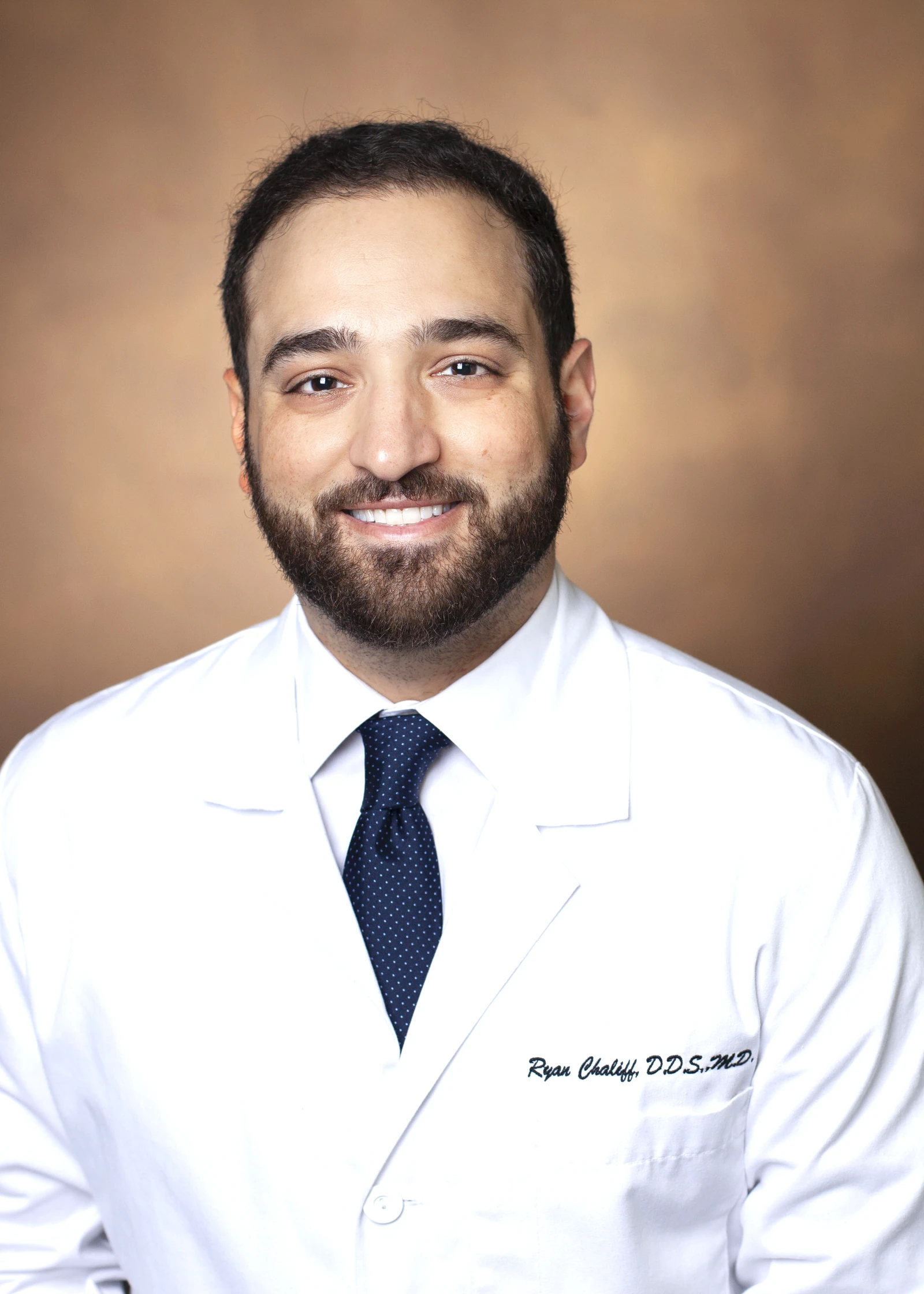
Dr. Ryan Chaliff grew up a few minutes from the office. After training at Columbia and Vanderbilt, he came home to open his practice in Dunwoody.
Board-Certified Oral & Maxillofacial Surgeon
Columbia University DDS
Vanderbilt University MD & Six-Year Surgical Residency, Chief Resident
Call the office and we will tell you exactly what to bring. You will also get written preparation and recovery instructions for your procedure and anesthesia.
Patient Instructions ↗Referral and relevant dental records, if available
Any relevant imaging you have been asked to bring
Current medications and health-history information
Insurance information and questions about payment
Cost depends on the size and type of graft, the material, and the anesthesia. If you are getting an implant too, ask for both the surgical estimate and your dentist’s estimate so you see the full picture.
Bring your insurance card to your consultation so we can answer payment questions before you schedule.
No. If you have enough healthy bone, the implant can go straight in. Your scan will show whether you need a graft.
No. Socket preservation fills the empty socket with graft material after an extraction. The implant is a separate step that usually comes a few months later.
It can be your own bone, processed donor or animal bone, or a synthetic material. Dr. Chaliff will explain which one he plans to use and why.
Sometimes. If the bone loss is small, the graft and implant can go in at the same visit. Larger grafts usually need a few months to heal first.
Most grafts need three to six months before an implant can go in, depending on the size. Dr. Chaliff checks the site with an X-ray before moving forward.
The main risks are infection, bleeding, and a graft that does not take. Grafts near a nerve or the sinus have a few extra risks, and Dr. Chaliff will go over them with you.
General patient education. Your care team provides instructions for your procedure.
Further reading: AAOMS: Bone Grafting & Membranes ↗ AAP: Ridge Modification ↗ AAOMS: Sinus Augmentation ↗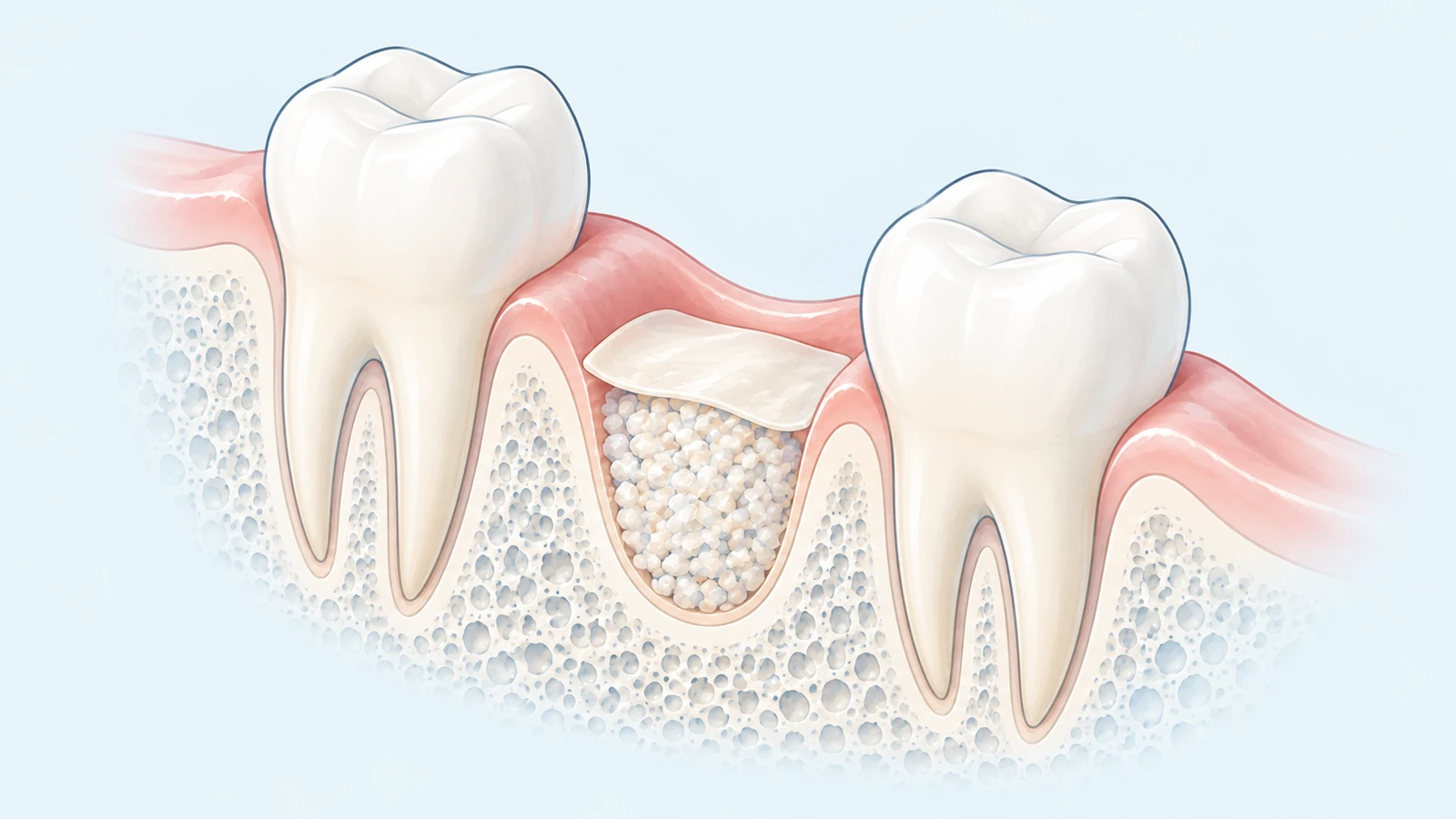
Understand socket preservation, graft materials and membranes, follow-up, and how extraction-site bone grafting differs from dental implant placement.
Read Article ↗
Learn the purpose of implant bone grafting, socket preservation, ridge augmentation, and sinus lifts, plus questions about timing and recovery.
Read Article ↗Dr. Chaliff’s credentials include board certification, hospital surgical privileges, and involvement in dental and medical organizations.
Board Certification
Diplomate of the American Board of Oral and Maxillofacial Surgery
Surgical Privileges

Atlanta, Forsyth & Cherokee Campuses
Fellow
Member

Member

Member

Member
Professional Affiliation

National Dental Honor Society
Call to arrange your consultation or ask about your upcoming visit.

