
Local Anesthesia
The area is numbed and you stay awake. You feel pressure but not pain.

If the thought of oral surgery makes you nervous, you are not alone. Dr. Ryan Chaliff is trained in anesthesia and offers IV sedation and general anesthesia right here in our Dunwoody office. Our office is in Dunwoody, serving patients throughout Atlanta.
Tell Dr. Chaliff what worries you, whether it is a bad past experience, a fear of needles, or recovery. He uses that, along with your health history and the procedure, to recommend the right option.
Bring your medication and supplement list and any allergies. Let us know about past reactions to anesthesia, sleep apnea or breathing problems, and any recent changes in your health.
You will know which option is planned, what it feels like, how you are monitored, and how to prepare.

Conceptual anesthesia-evaluation illustration.
View Larger ↗Here is the difference between the three options. Many procedures use local anesthesia together with IV sedation or general anesthesia.
The area is numbed and you stay awake. You feel pressure but not pain.
Medication goes in through a small IV in your arm and helps you relax deeply. Many patients remember little of the procedure afterward.
You are completely asleep for the procedure and monitored the whole time.

Tell us about every prescription, over-the-counter medicine, and supplement you take, plus allergies, sleep apnea, and past anesthesia problems. Please also be upfront about alcohol and cannabis use. It changes how anesthesia affects you.

Before scheduling, Dr. Chaliff goes over the surgery, your anesthesia options, and the risks. If he needs anything from your doctor first, he will tell you.
Here is how most cases go, from your first visit to full recovery.
Share your health history, medications, and concerns. Let us know if anything changes before surgery day.
You get written instructions on eating, drinking, and medications, and you line up a ride home.
Your heart rate, breathing, and oxygen are monitored the entire time.
You rest until you are ready to go. We review your home instructions with you and whoever is driving you.
Tell us what makes you uneasy and what has helped at past appointments. We are happy to explain each step in plain language before we start.
Speak With the Office ↗
Plan your ride, written instructions, and support at home.
View Larger ↗You need an adult to drive you home and stay with you afterward. You may feel fine before your judgment and coordination are fully back.
Do not drive, drink alcohol, or sign anything important for at least 24 hours, or longer if your instructions say so.
Make sure the person with you has read your instructions and has our number. Call 911 for trouble breathing, chest pain, or if you cannot be woken up normally.
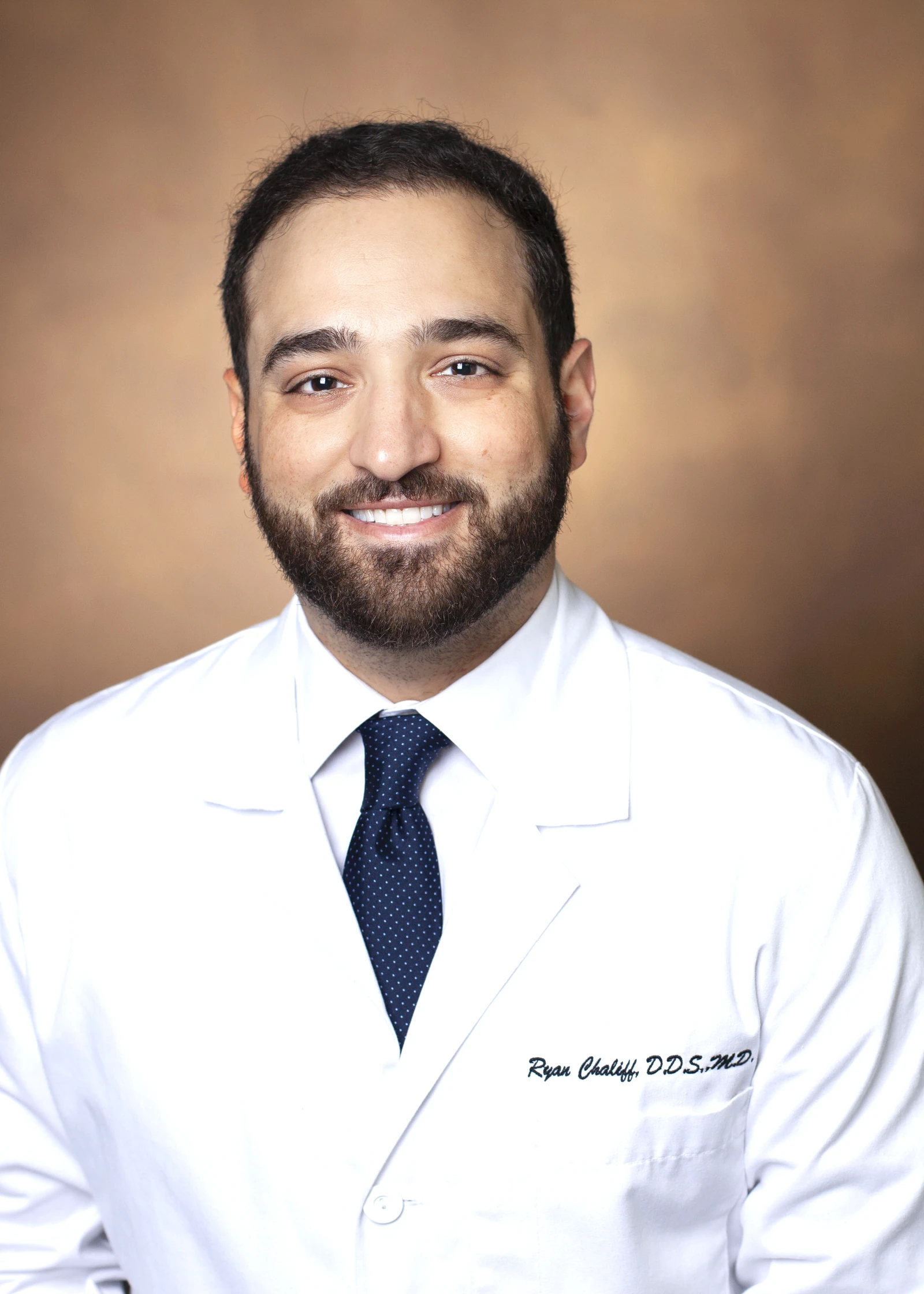
Dr. Ryan Chaliff grew up a few minutes from the office. After training at Columbia and Vanderbilt, he came home to open his practice in Dunwoody.
Board-Certified Oral & Maxillofacial Surgeon
Columbia University DDS
Vanderbilt University MD & Six-Year Surgical Residency, Chief Resident
Call the office and we will tell you exactly what to bring. You will also get written preparation and recovery instructions for your procedure and anesthesia.
Patient Instructions ↗Referral and relevant dental records, if available
Any relevant imaging you have been asked to bring
Current medications and health-history information
Insurance information and questions about payment
Anesthesia is usually listed as its own line on your estimate, and the cost depends on the type and length of the procedure. We can help you check what your insurance covers.
Bring your insurance card to your consultation so we can answer payment questions before you schedule.
No. With IV sedation you are deeply relaxed but still breathing on your own and may respond to voices. With general anesthesia you are fully asleep.
With local anesthesia, you are awake. With IV sedation, you are very relaxed and may drift in and out. With general anesthesia, you are fully asleep.
Usually you stop eating and drinking several hours before sedation. Follow the exact times in your written instructions, and call us if you do not have them.
Do not stop or change any medication on your own. Send us your full list and we will tell you what to take on surgery day.
Yes. After IV sedation or general anesthesia, an adult has to drive you home.
The most common side effects are nausea and grogginess. Serious problems like breathing trouble or allergic reactions are rare, and that is why you are monitored the entire time. Dr. Chaliff will go over the risks for your health history.
General patient education. Your care team provides instructions for your procedure.
Further reading: AAOMS: Anesthesia ↗ NHS: General Anesthesia ↗ AAOMS: Preparing for Surgery ↗
Read about IV sedation before your visit. Your care team will give you preparation instructions for your procedure.
Read the Article ↗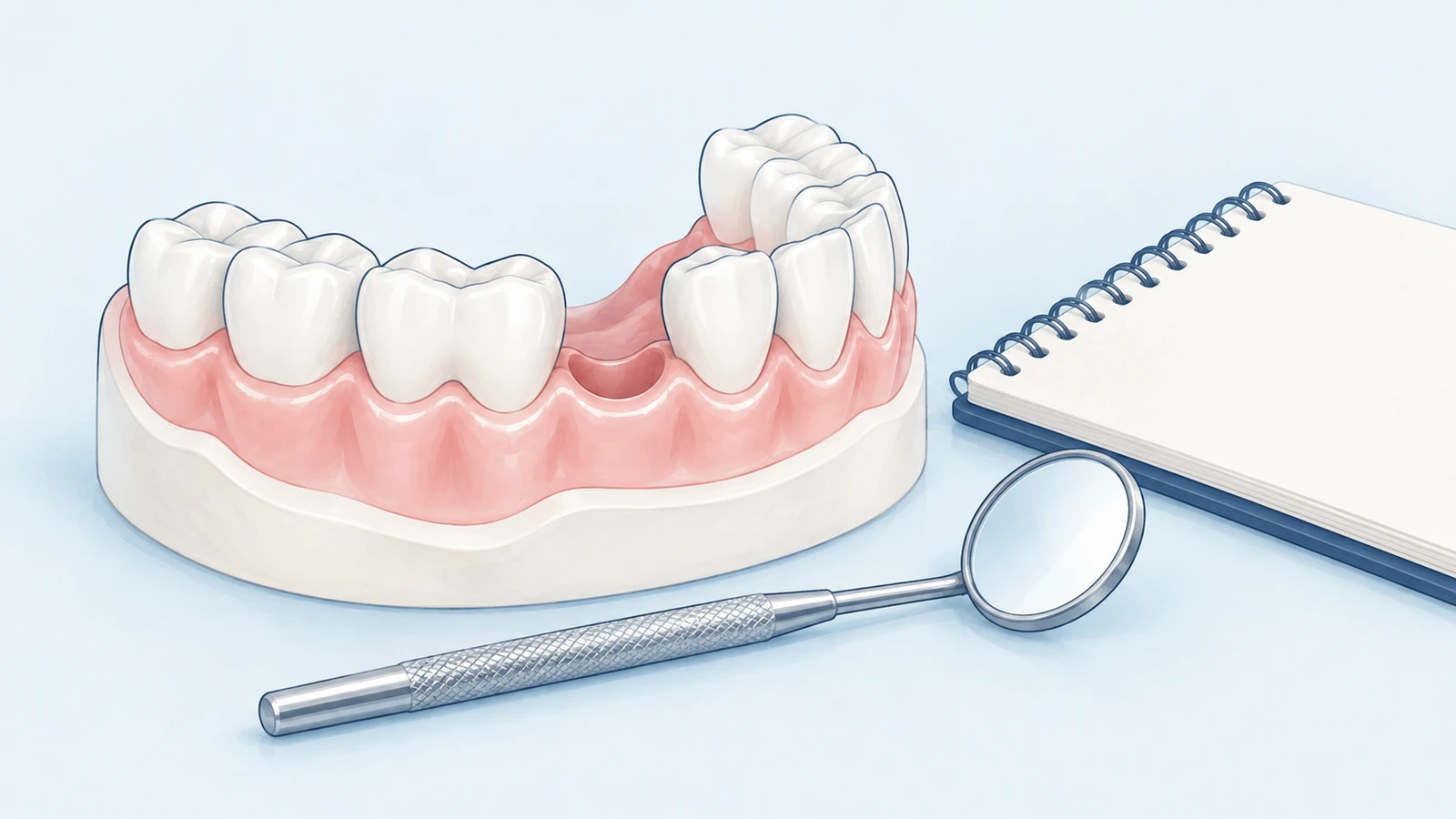
Prepare for an implant consultation with questions about records, health history, replacement options, providers, treatment timing, and costs.
Read Article ↗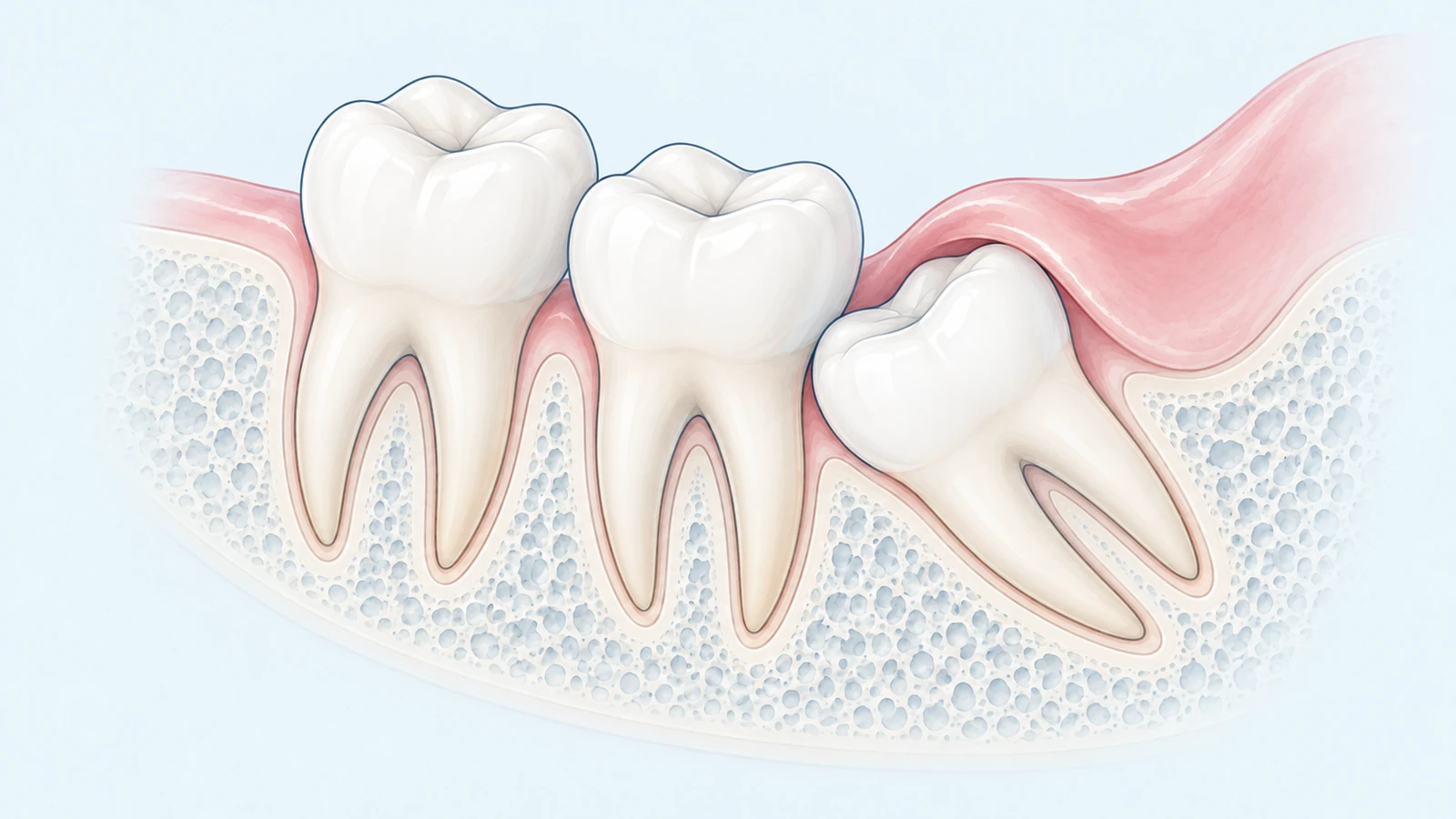
Learn how wisdom teeth are evaluated, when monitoring or removal may be discussed, and what to ask about imaging, anesthesia, risks, and recovery.
Read Article ↗Dr. Chaliff’s credentials include board certification, hospital surgical privileges, and involvement in dental and medical organizations.
Board Certification

Diplomate of the American Board of Oral and Maxillofacial Surgery
Surgical Privileges

Atlanta, Forsyth & Cherokee Campuses
Fellow

Member

Member

Member

Member

Professional Affiliation

National Dental Honor Society
Call to arrange your consultation or ask about your upcoming visit.

