
Your Dental Implant Consultation: What to Bring and What to Ask
Prepare for an implant consultation with questions about records, health history, replacement options, providers, treatment timing, and costs.
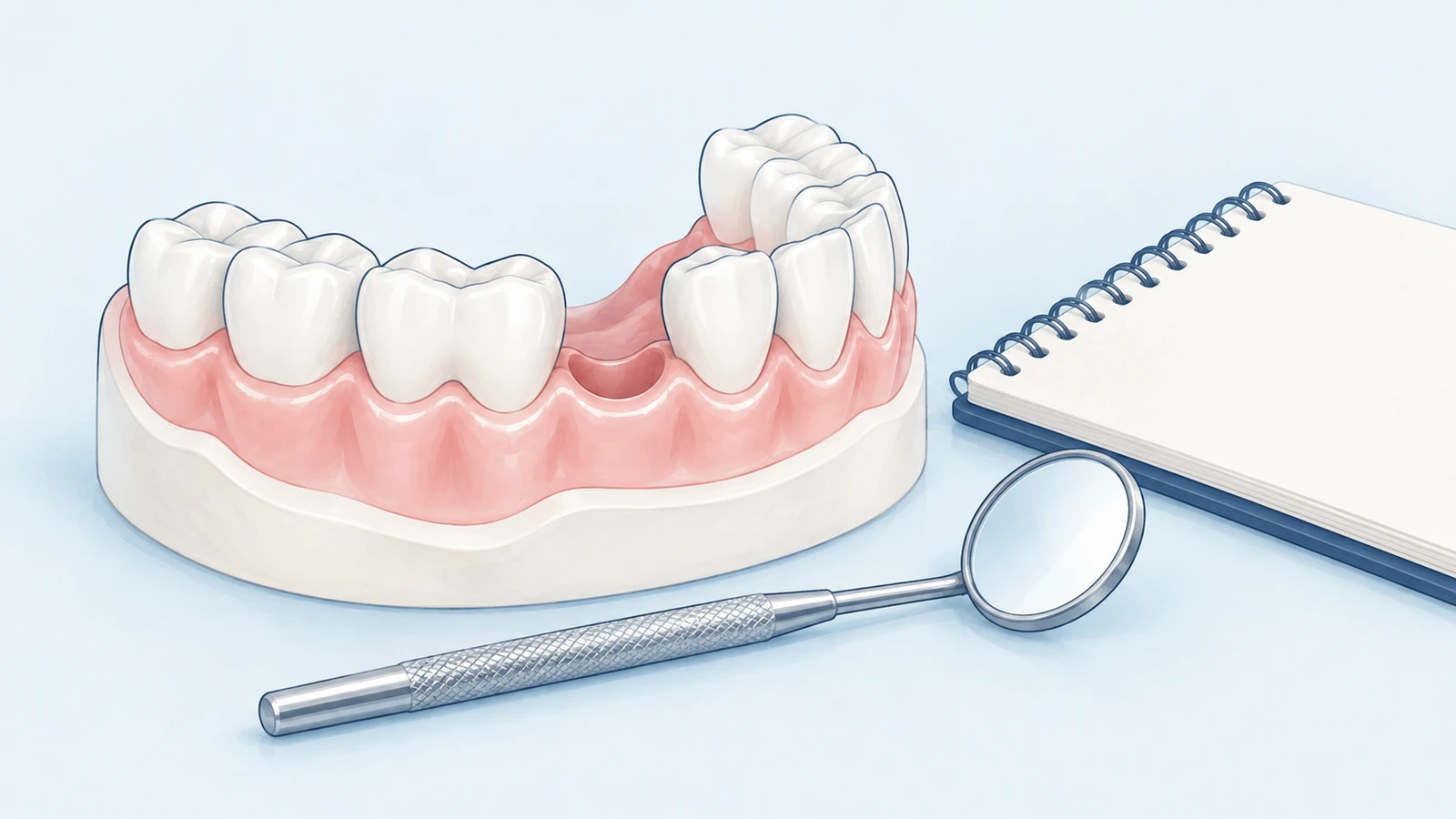
Your implant consultation is where you find out whether an implant makes sense for you and what it will take. A little prep beforehand makes the visit a lot more useful.
You do not need to know what procedure you want. Just bring your goals, your records, and your questions.
What Should You Tell the Office Before the Visit?
When you call to book, tell the office which tooth you are concerned about and whether you have a referral. Ask how to get your X-rays sent over.
Referral requirements can vary by office and insurance policy. The AAOMS recommends checking both the practice and your coverage requirements. Booking the appointment does not mean your insurance has approved anything.
You can review Perimeter’s first-visit information before your visit. If another office is sending records, call a day or two before to make sure they arrived.
Question to Answer: Have you confirmed the referral and record requirements for your actual appointment?
What Records and Health Information Should You Bring?
Bring a list of everything you take, including over-the-counter medicines and supplements, plus allergies and any health conditions.
Tell your surgeon about past work in that area, like an extraction, graft, or old implant. Even just the name of the office that did it helps us track down records.
The AAOMS includes examination and discussion of concerns in surgical consultation. The more complete your information, the more specific the answers you will get.
Question to Answer: Is your medication and dental-history list current, including treatment provided by other offices?
How Can You Explain Your Goals Clearly?
Tell your surgeon what you want to fix. Maybe it is a gap people can see, a partial you hate wearing, or not being able to chew on one side. Be specific.
Write your questions down with the most important ones first. “What will I have in the gap while it heals?” and “Who makes the final crown?” are good places to start.
Our dental implant guide can help with the terms you will hear.
Question to Answer: Which two questions would make the consultation most useful to you?
What Should You Ask About the Recommendation?
Ask what your options are and why your surgeon recommends one over the others. You should leave knowing whether anything needs to happen before the implant.
If you are weighing an implant against a bridge or denture, ask how each one affects your other teeth and daily cleaning. Our tooth-replacement comparison gives you a structured way to ask those questions.
Ask what is still unknown. Sometimes your surgeon needs another scan or records from your dentist before giving you a final plan.
Question to Answer: Can you explain why the proposed treatment fits the findings from your evaluation?
Who Will Provide the Final Tooth or Teeth?
Ask how the surgeon and your dentist will work together. The surgeon places the implant, and your dentist usually makes the crown, bridge, or denture. The AAOMS describes the restorative dentist’s role after implant placement and stabilization.
If you do not have a regular dentist, ask for a recommendation. Someone will need to make the final tooth.
Our treatment planning guide helps you map out the appointments, so you always know which office to call.
Question to Answer: Do you know which provider is responsible for each stage of your proposed care?
What Should You Ask About Timing, Comfort, and Cost?
Ask how long each stage takes, and mention any trips or big events coming up. Our timeline guide explains why immediate recovery and the final restoration have separate timing questions.
If you are nervous, say so. Ask about your anesthesia options and when you will get prep instructions. Do not change any medications until you have them.
Request a complete estimate for the proposed services. Our cost guide helps you check that the estimate covers everything. Take it home and call with any questions.
Question to Answer: Have you received enough information about the sequence, comfort plan, and estimate to decide on your next step?
In Summary
The main takeaway is to come prepared. Bring your health history and records, make sure your X-rays were sent, and write your top questions down.
Contact Perimeter to arrange an evaluation and confirm what the team wants you to bring.
Question to Answer: What information do you still need before you can make an informed treatment decision?


