Wisdom Teeth Recovery: Food, Healing, and When to Call Your Surgeon
Prepare for wisdom teeth recovery with guidance on clot protection, soft foods, cleaning, activity, dry socket, and symptoms that need prompt advice.
Most people feel noticeably better within three or four days after wisdom teeth removal and are back to normal in about a week. Here is what to expect day by day, what to eat, and when to call your surgeon.
Keep in mind, recovery depends on how many teeth came out and how impacted they were. Your written instructions come first.
1. Arrange Help Before the Procedure
If you are having sedation, you need an adult to drive you home and stay with you for the rest of the day. Do not drive or make big decisions until the next day at the earliest.
Set up a spot on the couch with extra pillows, your instructions, the office number, and some soft food. Ask how to reach us after hours before you leave.
It is a lot easier to do this before surgery than after. Have your helper listen in when we go over your home instructions, since you may be groggy. AAOMS describes what to expect immediately after wisdom tooth surgery.
Question to Answer: Who will help you get home, understand the instructions, and manage the first part of your recovery?
2. Understand Early Bleeding and Clot Protection
Some oozing is normal for the first day. Bite down gently on gauze as instructed. If bleeding is heavy or will not slow down, call us.
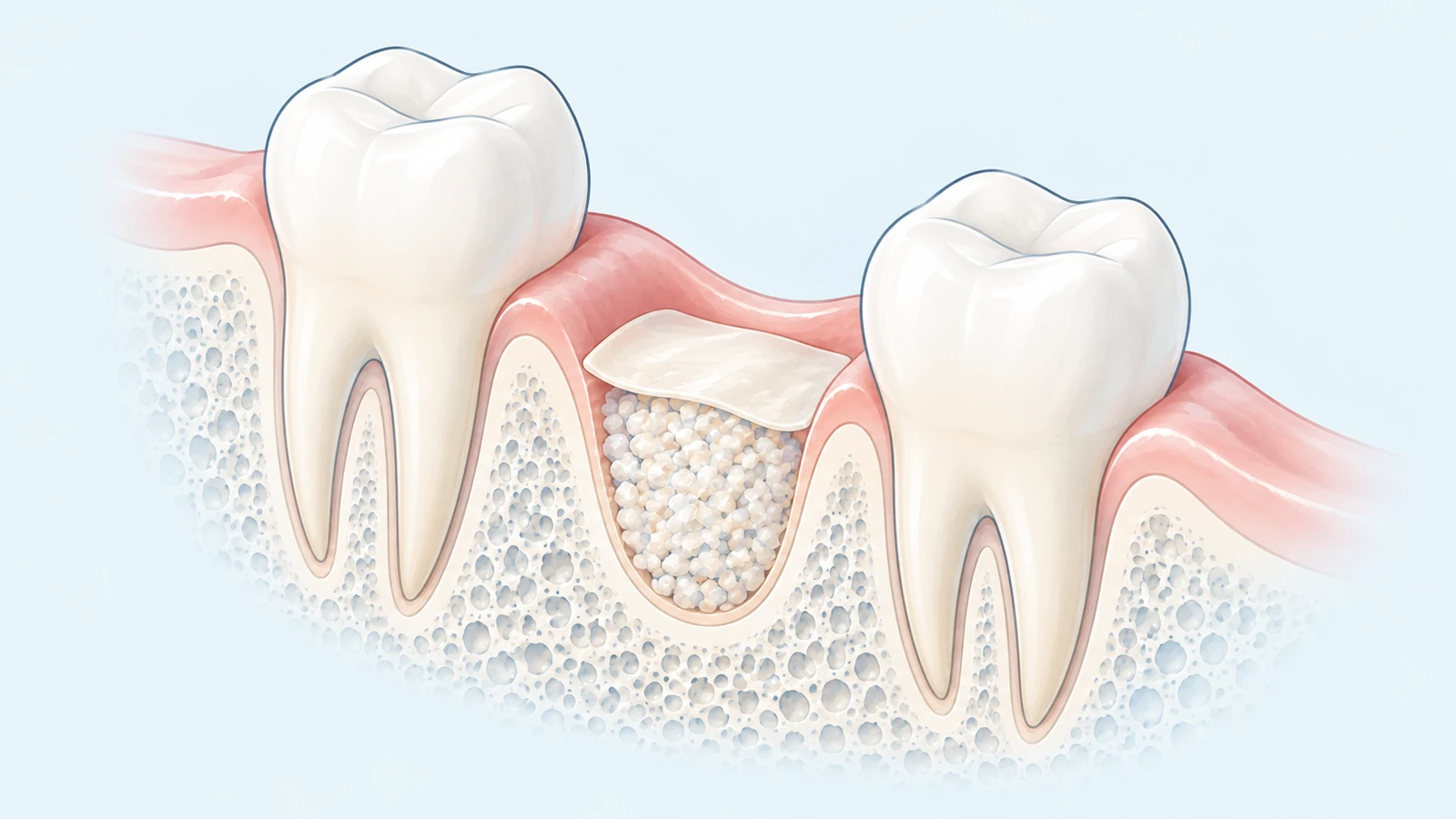
A blood clot forms in each socket and protects it while it heals. Leave it alone. Keep your tongue and fingers away from the area.
Do not use a straw, spit hard, or rinse forcefully for the first few days. Any of those can pull the clot loose. The AAOMS postoperative guide covers bleeding control and early care.
Question to Answer: Do you know how your team wants you to manage bleeding and protect the extraction sites?
3. Watch the Direction of Your Symptoms
Soreness, swelling, some bruising, and a stiff jaw are all normal. Swelling usually peaks around day two or three, then starts going down.
What matters is the direction. Each day should feel a little better than the last, even if it is slow.
If you do call, be specific. “The pain was getting better and then got much worse on day four” tells us a lot. The NHS wisdom tooth removal resource identifies persistent bleeding and severe or worsening pain and swelling as reasons to seek urgent dental advice.
Question to Answer: Are your symptoms following the pattern your surgeon described, or has something changed that needs advice?
4. Choose Food You Can Manage Comfortably
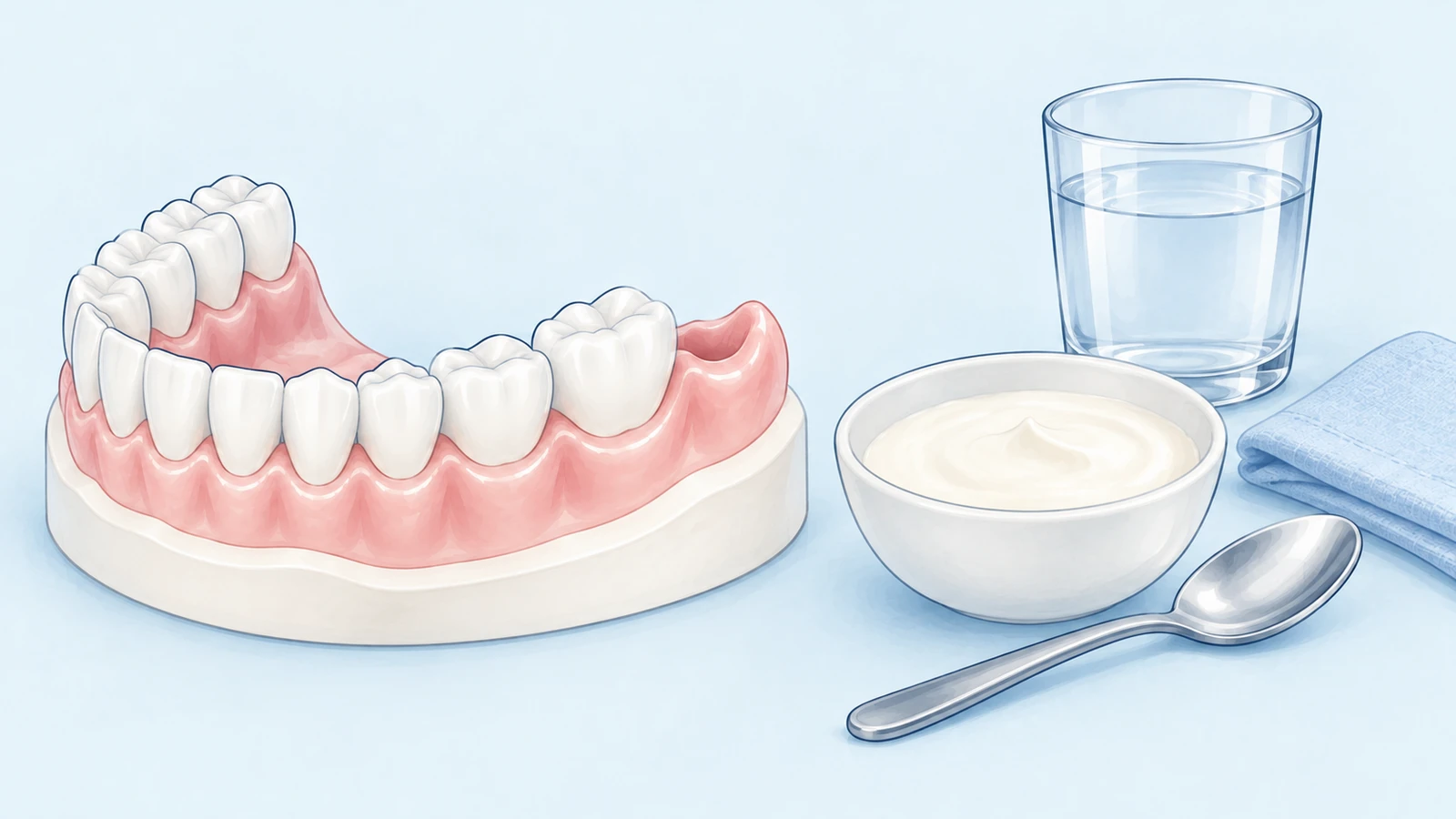
Stick to soft foods and drink plenty of water. Yogurt, applesauce, mashed potatoes, scrambled eggs, smoothies (with a spoon, not a straw), and lukewarm soup all work well.
Skip chips, nuts, popcorn, rice, and anything with seeds for the first week, since small pieces get stuck in the sockets. Be careful with hot food while you are still numb. Work back to normal food a little at a time.
The AAOMS food guide has more ideas. Plan a few meals you actually like before surgery. If you cannot keep fluids down, call us.
Question to Answer: What soft meals and drinks will you have ready, and can you tolerate them comfortably?
5. Follow Your Cleaning and Medication Plan
Brush the rest of your teeth normally starting the next day, and go gently near the sockets. Start warm salt water rinses when your instructions say to, usually after the first 24 hours.
Take your pain medication as directed. Check labels so you do not double up on the same ingredient, and do not use leftover medication from an old prescription.
If a medication makes you sick or is not controlling the pain, call us. The AAOMS oral care resource explains more about caring for your mouth after surgery.
Question to Answer: Can you follow your cleaning and medication instructions without guessing about timing or products?
6. Know What Dry Socket Means
Dry socket happens when the blood clot comes out of the socket too early. It usually shows up on day three to five as a deep, throbbing pain that can spread to your ear, sometimes with a bad taste or smell.
If that happens, call us. Dry socket is very treatable, and relief is usually quick once it is packed. Do not poke at the socket yourself.
The best way to prevent it is to skip smoking and vaping, avoid straws, and follow your rinsing instructions. The AAOMS dry socket guide explains the condition and why your surgeon should evaluate it.
Question to Answer: Do you know which pain changes should prompt a call rather than waiting for the next scheduled visit?
7. Return to Activities With a Specific Plan
Most people take two to three days off school or work. Hold off on hard exercise for about a week, since it can restart bleeding. If you play a contact sport, ask your surgeon when it is safe to go back.
Call us for bleeding that will not stop, swelling that keeps getting worse after day three, a fever, or if you cannot keep fluids down. For trouble breathing or swallowing, call 911.
Our wisdom teeth evaluation guide covers how the decision to remove them is made. For questions about your own recovery, reach us through our patient instructions page.
Question to Answer: Do you have a return-to-activity plan and a clear way to reach help if recovery changes?
In Summary
The main takeaway is to plan ahead. Line up your ride and soft foods, protect the blood clots for the first few days, and call us if things get worse instead of better. You can go over any recovery questions at a wisdom teeth consultation with Dr. Ryan Chaliff in Dunwoody.
Question to Answer: What do you still need to clarify with your care team before your procedure?