Wisdom Teeth Removal: Evaluation, Options, and Planning Your Care
Learn how wisdom teeth are evaluated, when monitoring or removal may be discussed, and what to ask about imaging, anesthesia, risks, and recovery.
Not everyone needs their wisdom teeth out. This guide covers how your surgeon decides, when it is fine to leave them alone, and how to prepare if they do need to come out.
Keep in mind, your plan is about your teeth. Just because a friend had all four out does not mean you will.
1. Understand What an Impacted Wisdom Tooth Is
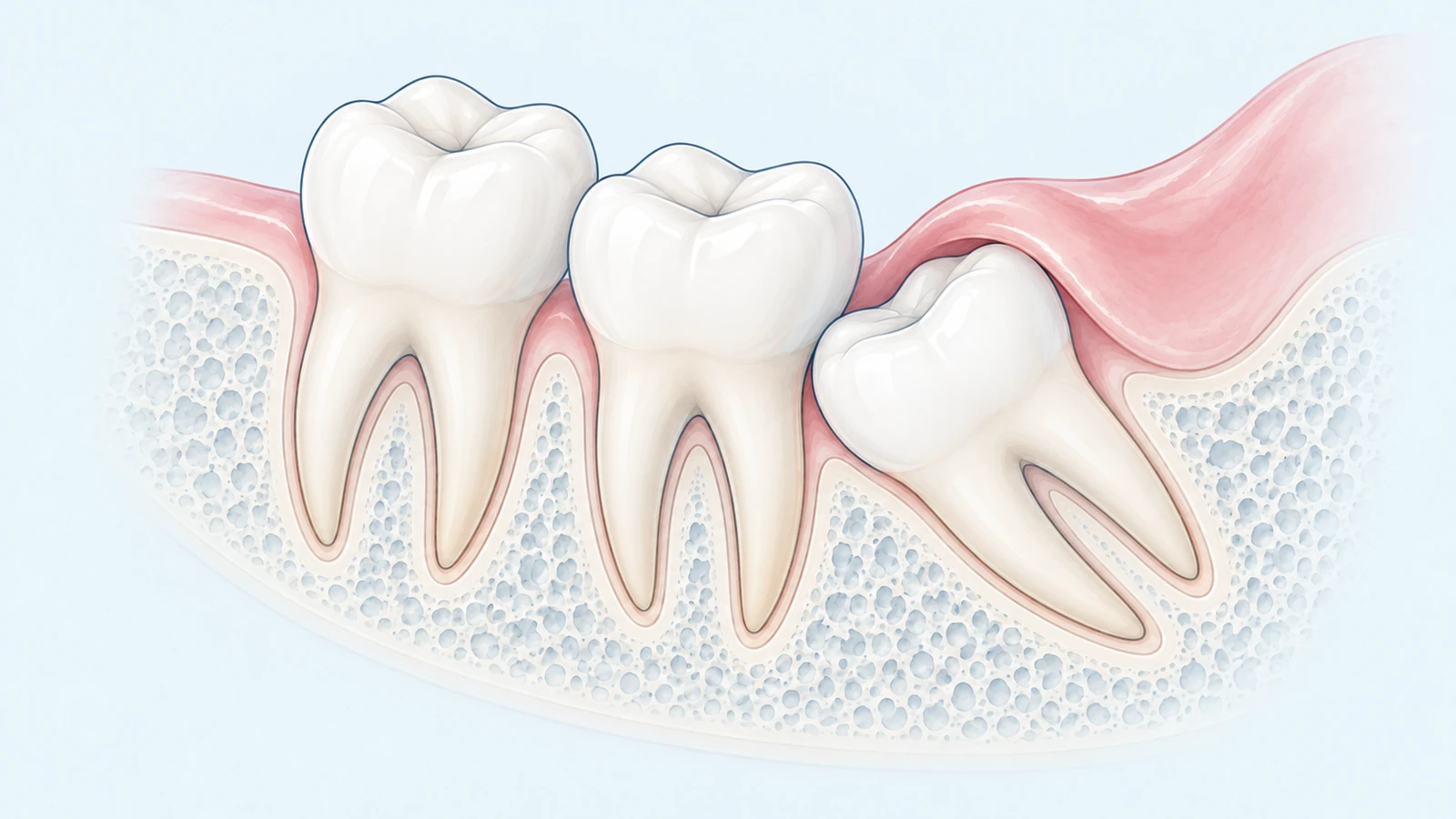
Wisdom teeth are the third molars at the very back of your mouth. An impacted wisdom tooth is one that is stuck. It may be partly under the gum, buried in the bone, or tipped sideways into the tooth in front of it.
Position matters because it decides whether you can keep the area clean. A tooth that is only partway through the gum leaves a pocket that traps food and bacteria.
The AAOMS wisdom teeth resource says healthy wisdom teeth that are easy to keep clean can often stay, as long as your dentist keeps an eye on them.
Question to Answer: What position is each of your wisdom teeth in, and what does that mean for cleaning and dental health?
2. Separate Symptoms From the Findings on Your Examination
Common reasons to get checked include pain at the back of the jaw, gums that keep swelling, food getting stuck, or a note from your dentist after a routine X-ray.
No pain does not mean no problem. Decay or damage to the next tooth often shows up on an X-ray before you feel anything.
Before your visit, jot down what you have noticed. How many times has it swelled? Did you take antibiotics for it? Is it harder to open wide?
Question to Answer: Which symptoms or dental findings led to your referral, and how long have they been present?
3. Know What Imaging Can Help Explain
An X-ray shows the angle of each tooth, how developed the roots are, and how close they sit to the nerve in your lower jaw or the sinus above your upper teeth.
If a root sits very close to the nerve, your surgeon may order a 3D scan. Most patients do not need one. The AAOMS guide to advanced imaging describes how imaging can support diagnosis and surgical planning.
If your dentist took an X-ray recently, ask them to send it over. It may save you from needing another one.
Question to Answer: What does your imaging show, and would any additional imaging change your treatment options?
4. Compare Monitoring With Removal
If your surgeon says your wisdom teeth can stay, that does not mean forget about them. Your dentist should check them at regular visits. AAOMS discusses ongoing wisdom tooth monitoring for teeth that remain in place.
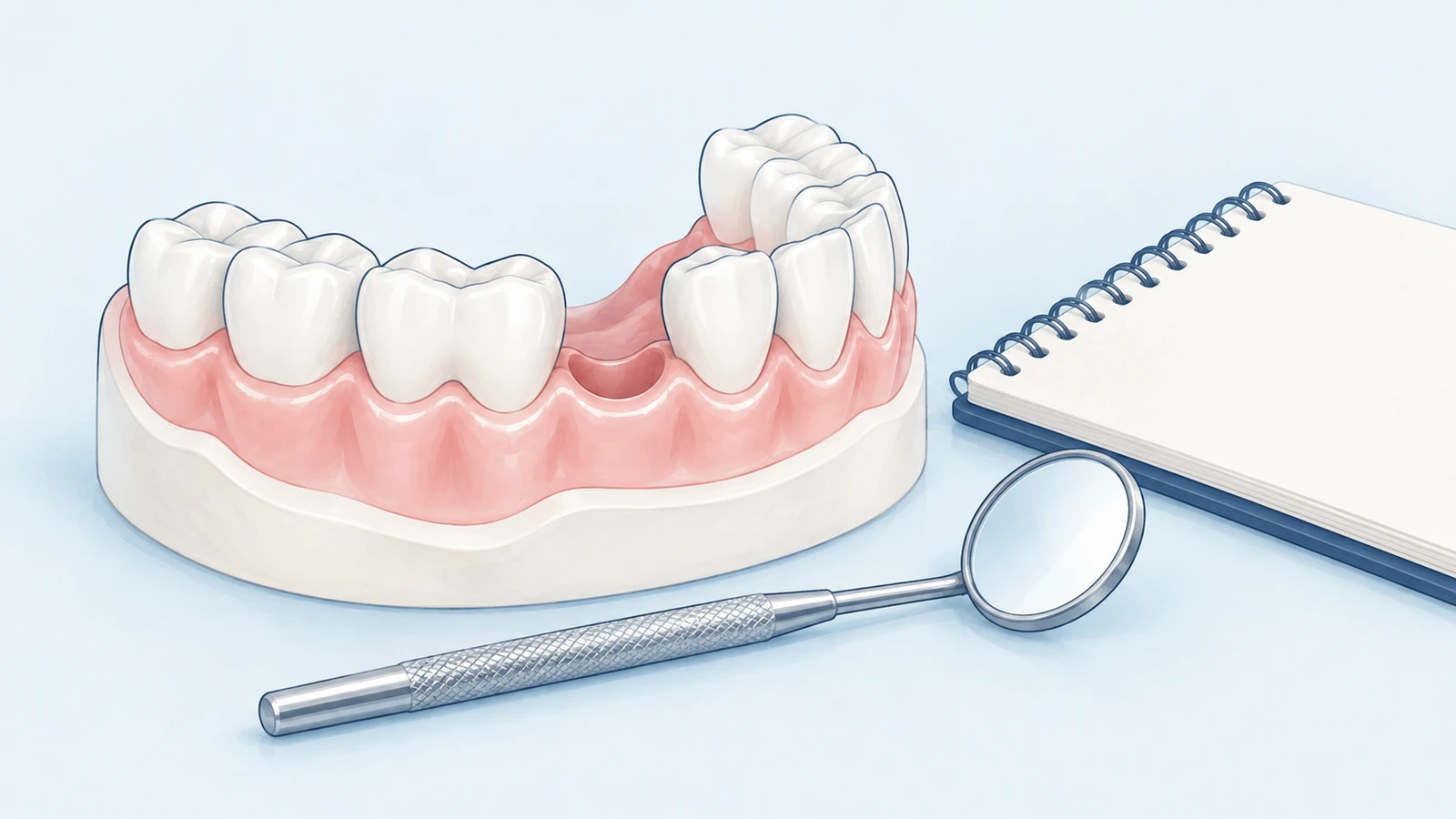
Removal usually makes sense when a tooth keeps getting infected, has decay, or is damaging the tooth next to it. You might need two out and two can stay. Ask why for each one.
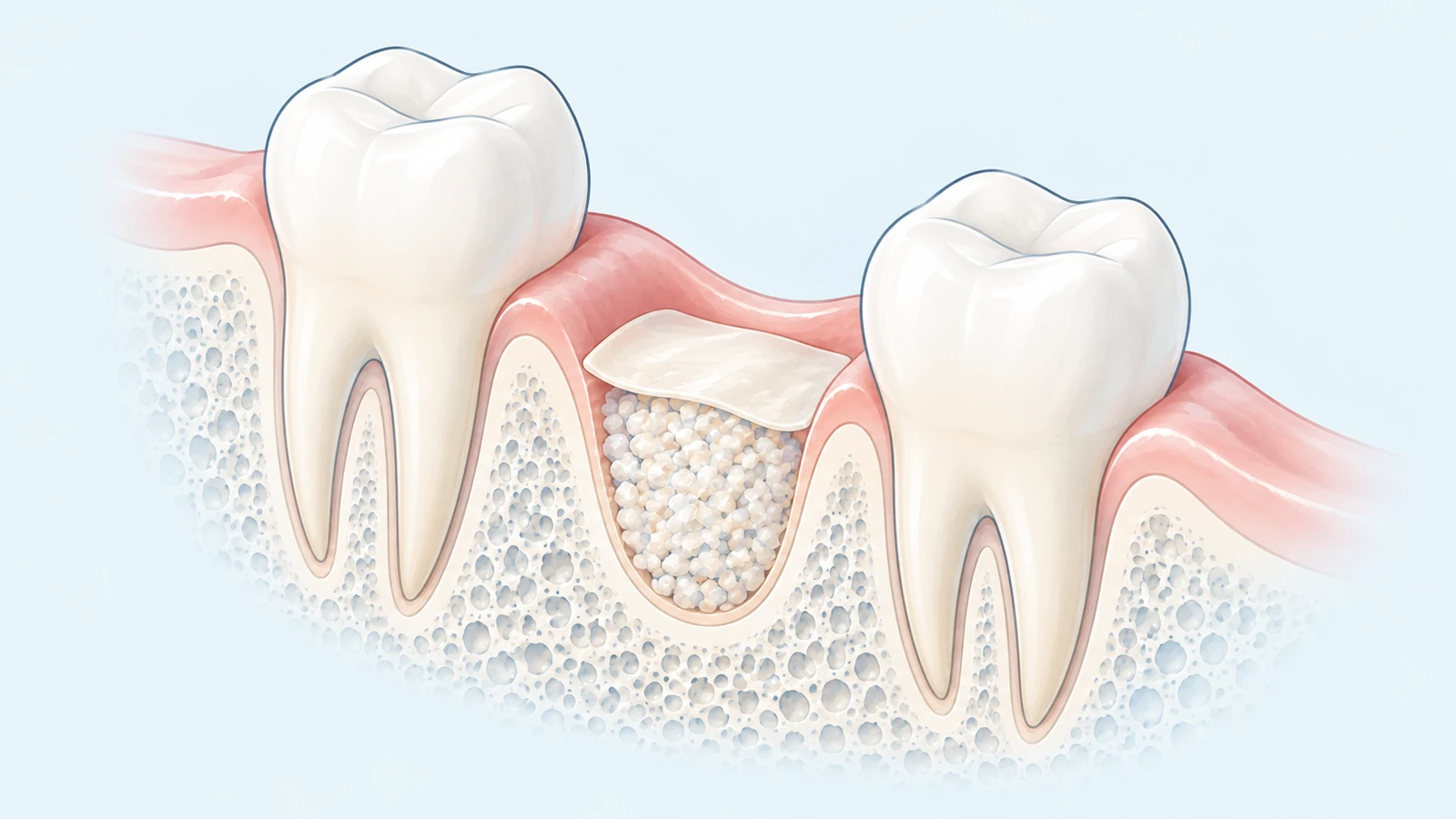
Like any surgery, removal has risks, including infection, dry socket, bleeding, and numbness if a nearby nerve is irritated. Your surgeon will tell you which ones apply to your teeth. The NHS patient overview provides a general description of removal and its possible complications.
Question to Answer: What are the reasons for your recommended approach, and what follow-up would be needed if you keep the teeth?
5. Ask About a Tooth Close to a Nerve
In some people, the roots of the lower wisdom teeth sit very close to the nerve that gives feeling to the lower lip and chin. That can change how the surgeon approaches the tooth.
One option for those cases is a coronectomy. The surgeon removes the top of the tooth and leaves the roots in place, so the nerve is not disturbed. It is only used in specific situations. The AAOMS coronectomy overview explains this option.
If your surgeon brings it up, ask how it compares to full removal for your tooth.
Question to Answer: Does your tooth have a close nerve relationship, and does that change the recommended procedure?
6. Prepare Your Health History and Anesthesia Questions
Bring a list of your medications, supplements, and allergies, and mention any past problems with anesthesia. Do not stop any medication unless your surgeon tells you to.
Most patients are sedated or asleep for wisdom teeth removal. At Perimeter Implant and Oral Surgery, you can talk through IV sedation and general anesthesia with Dr. Ryan Chaliff, who will recommend the right option for your health and the surgery.
Read your instructions a few days ahead. They cover when to stop eating and drinking, which medications to take, and who needs to drive you home.
Question to Answer: Do you have your medication instructions, anesthesia plan, and transportation arrangements confirmed?
7. Plan for Recovery Before Scheduling
Plan for two to three quiet days at home. Think about who can help with kids or chores, and what you need to reschedule.
A desk job is easier to return to than a job that involves heavy lifting. Athletes should ask when they can get back to practice, especially for contact sports.
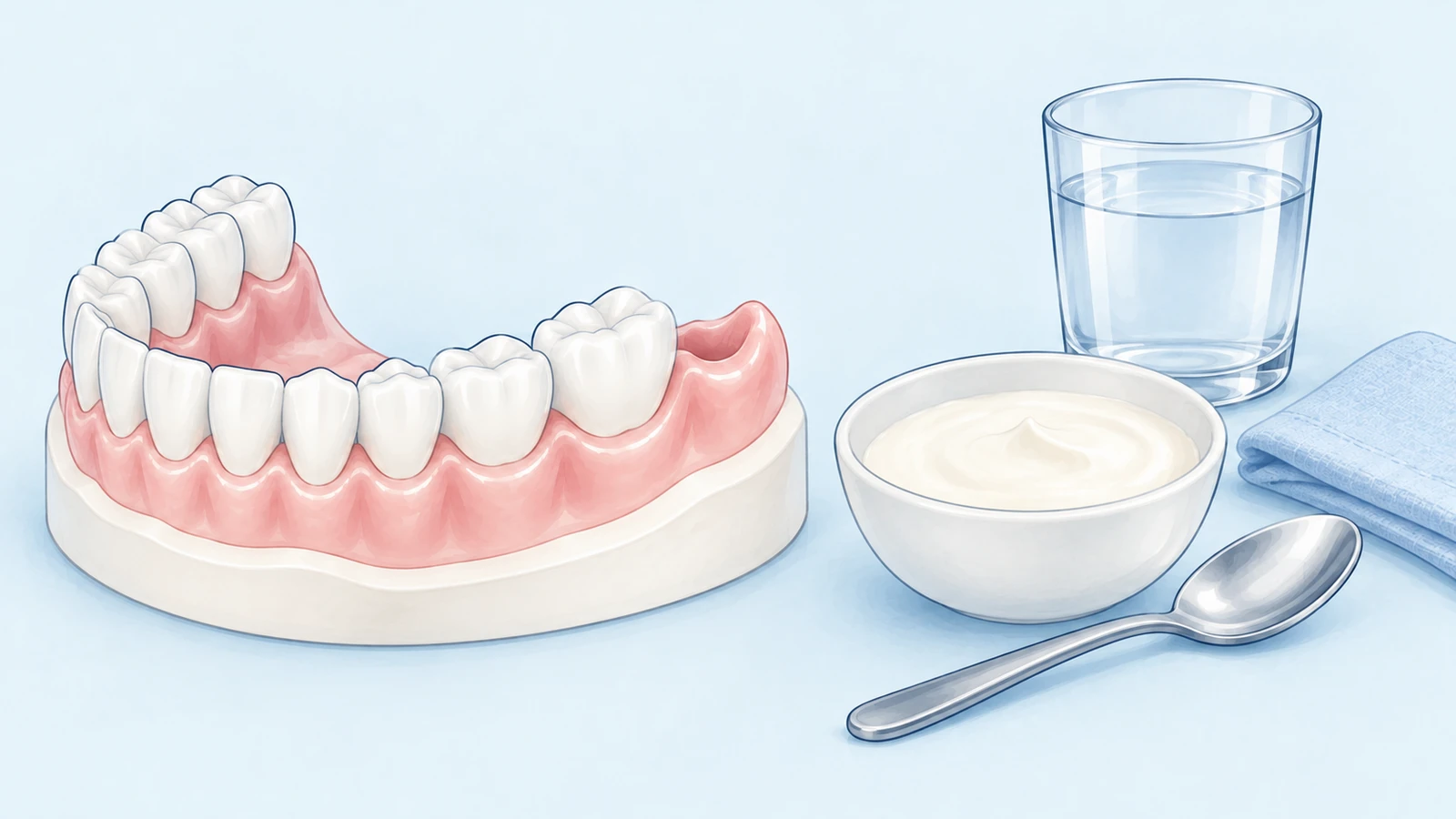
Read our wisdom teeth recovery guide for what to eat, how to keep the area clean, and when to call us. Keep the office number with your instructions.
Question to Answer: What activities do you need to plan around, and who will help you during the initial recovery period?
In Summary
The main takeaway is that every wisdom tooth gets its own decision. A good evaluation tells you which teeth should come out, which can stay, and why. Bring your referral, X-rays, and questions to your wisdom teeth consultation at Perimeter Implant and Oral Surgery in Dunwoody.
Question to Answer: Can you explain your recommended next step and the reason behind it?